
Most homeowners think about their electrical system only when something goes wrong, whether a breaker trips at the worst possible moment, an outlet stops working, or they notice a strange burning smell coming from the wall. At NTX Electric, we see this pattern every day, and we understand it completely. Life is busy, and the wiring hidden behind your drywall rarely demands your attention until it absolutely has to. The problem is that by the time it demands attention, the cost in money, stress, and sometimes safety, is far greater than it ever needed to be. Electrical systems are not designed to be set-and-forget infrastructure. According to the Electrical Safety Foundation International, electrical fires account for roughly 51,000 home fires each year in the United States, causing nearly $1.3 billion in property damage annually. The overwhelming majority of these incidents are preventable. Routine electrical maintenance is the single most effective tool homeowners have to keep their systems running safely, efficiently, and within current code standards.
What Does Regular Electrical Maintenance Actually Include?
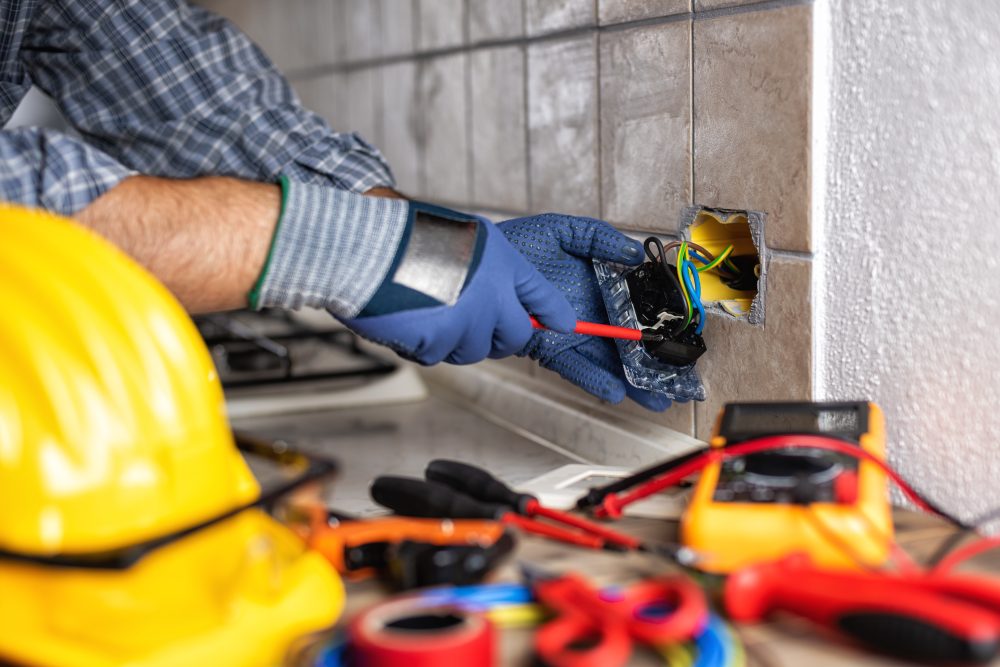
Many people imagine electrical maintenance as a vague, intimidating process reserved for new construction or major renovations. In reality, it is a structured, systematic inspection and servicing routine that a licensed electrician performs to assess the health of your entire electrical system. This typically includes a thorough examination of your main electrical panel, a check of all visible wiring connections, testing of outlets and GFCI protection, an evaluation of your grounding system, and a review of load capacity to ensure your home is not being overtaxed by modern demands.
Modern homes use dramatically more electricity than they did even fifteen years ago. Electric vehicles, smart home systems, high-efficiency HVAC units, and home offices with multiple devices have fundamentally changed how much we ask of our wiring. A system that was perfectly adequate when a house was built in 2005 may be quietly struggling under today’s electrical load, and that struggle often goes unnoticed until something fails.
The Hidden Costs of Skipping Maintenance
When homeowners skip regular electrical checkups, small issues have time to grow into expensive ones. A loose connection in a junction box, for example, generates heat every time current passes through it. Over months or years, that heat degrades surrounding insulation, creates arcing, and in the worst cases, ignites nearby materials inside the wall cavity. The repair cost for a burned-out junction box or damaged wiring run is a fraction of what a house fire costs in repairs, insurance claims, and emotional toll.
Beyond fire risk, neglected electrical systems tend to become increasingly inefficient. Aging components, corroded connections, and outdated wiring can cause voltage fluctuations that quietly damage sensitive electronics, reduce the lifespan of appliances, and drive up your monthly energy bill. Research from the U.S. Department of Energy consistently shows that well-maintained electrical infrastructure performs more efficiently, translating directly into lower utility costs over time.
Why Electrical Code Compliance Matters More Than You Think
The National Electrical Code is updated on a regular cycle, and local municipalities adopt new versions over time. What was code-compliant when your home was built may no longer meet current standards. This matters most when you go to sell your home or file an insurance claim. Home inspectors and insurers increasingly scrutinize electrical systems, and discovering outdated or non-compliant work at closing can derail a sale, trigger expensive required repairs, or result in a denied insurance claim after a loss.
A licensed electrician conducting routine maintenance will identify areas where your system may need to be brought up to current standards, giving you the opportunity to address them proactively rather than under deadline pressure. It is a far less stressful conversation to have on your own terms.
How Often Should You Schedule an Electrical Inspection?
For most homes, a comprehensive electrical inspection every three to five years is a reasonable baseline. However, certain situations call for more immediate attention. If your home is more than twenty-five years old and has never been inspected, if you are adding major appliances or an EV charger, if you notice flickering lights or frequently tripping breakers, or if you have recently completed renovation work, scheduling an inspection sooner is strongly advisable.
Older homes with original wiring, particularly those with aluminum branch circuit wiring or knob-and-tube systems, warrant annual professional attention. These older wiring types carry elevated risk profiles that are manageable with proper oversight and, in many cases, targeted upgrades.
The NTX Electric Approach to Preventive Electrical Care
Good electrical maintenance is not about finding problems to charge you for. It is about giving you an honest, clear picture of where your system stands, what needs attention now, what can wait, and what is in great shape. A trustworthy electrician leaves you more informed and more confident than when they arrived.
Investing in regular electrical maintenance is one of the most practical decisions a homeowner can make. It protects your family, preserves your property value, keeps your utility costs in check, and provides the kind of quiet peace of mind that is genuinely hard to put a price on. Your electrical system works hard every single day. A little professional attention goes a long way toward making sure it keeps doing exactly that. Ready to schedule a maintenance inspection? Contact NTX Electric today and take the guesswork out of your home’s electrical health.